The ultraviolet (UV) index serves as a crucial tool for understanding the intensity of UV radiation in a given location at a particular time. Developed by scientists and health organizations, this numerical scale helps individuals assess their risk of UV exposure and take appropriate protective measures. As UV radiation can cause significant harm to the skin, eyes, and immune system, understanding how to interpret and respond to different UV index levels is essential for maintaining long-term health.
Understanding the UV Index Scale
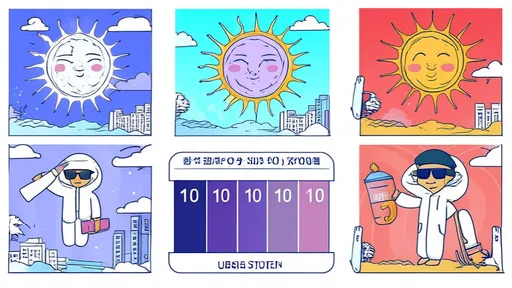
The UV index operates on a scale from 0 to 11+, with higher numbers indicating greater UV intensity and corresponding health risks. At the lower end of the spectrum, a UV index of 0-2 poses minimal danger, requiring only basic sun protection for those with particularly sensitive skin. However, as the numbers climb, so does the potential for harm. A reading of 3-5 suggests moderate risk, while 6-7 signifies high exposure levels that can burn fair skin in under 30 minutes. The very high category (8-10) and extreme levels (11+) demand rigorous protective strategies, as unprotected skin can burn in less than 15 minutes under these conditions.
Daily Protection Fundamentals
Regardless of the UV index reading, certain protective measures should become habitual for anyone spending time outdoors. Broad-spectrum sunscreen with an SPF of at least 30 forms the foundation of UV defense, requiring application 15-30 minutes before sun exposure and reapplication every two hours (or more frequently when swimming or sweating). Protective clothing, including long-sleeved shirts, pants, and wide-brimmed hats, offers physical barriers against UV penetration. Quality sunglasses that block 99-100% of UVA and UVB rays protect the delicate eye area from damage that can lead to cataracts and other vision problems.
Adapting Strategies to UV Intensity
When the UV index enters the moderate range (3-5), additional precautions become necessary. Seeking shade during peak sunlight hours (typically 10 a.m. to 4 p.m.) significantly reduces exposure. Those with fair skin or a history of skin cancer should be particularly vigilant during these conditions. In high UV conditions (6-7), protective measures should intensify. Outdoor workers and athletes need to schedule frequent breaks in shaded areas and consider UV-protective clothing with a high ultraviolet protection factor (UPF) rating.
Extreme UV Conditions
Very high (8-10) and extreme (11+) UV index readings demand the most comprehensive protective strategies. During these conditions, limiting outdoor activities during midday hours becomes crucial. If outdoor exposure is unavoidable, combining all available protective measures - sunscreen, protective clothing, hats, sunglasses, and shade - provides the best defense. Special attention should be paid to protecting children, whose skin is more vulnerable to UV damage. Many experts recommend keeping infants out of direct sunlight entirely when the UV index exceeds 8.
Environmental Factors Affecting UV Exposure
Several environmental elements can dramatically influence actual UV exposure despite what the index might suggest. Altitude plays a significant role, with UV intensity increasing approximately 10-12% for every 1,000 meters gained in elevation. Snow, sand, and water can reflect up to 80% of UV radiation, effectively doubling exposure in certain situations. Cloud cover presents a complex variable - while thick clouds block some UV radiation, thin or broken clouds can actually intensify UV exposure through a phenomenon called cloud enhancement. These factors underscore the importance of maintaining protection even when the UV index appears moderate.
Long-Term Health Considerations
Consistent adherence to UV protection strategies yields significant long-term health benefits. Regular use of sunscreen has been shown to reduce the incidence of both melanoma and non-melanoma skin cancers. Protection against UV radiation also slows visible signs of aging caused by sun exposure, including wrinkles, leathery texture, and uneven pigmentation. Perhaps most importantly, developing sun-safe habits in childhood establishes patterns that dramatically reduce lifetime UV exposure and associated health risks.
Special Populations and UV Protection
Certain groups require tailored approaches to UV protection. Individuals with photosensitivity conditions (such as lupus) or those taking photosensitizing medications need to exercise extreme caution regardless of the UV index reading. Outdoor workers face unique challenges in maintaining consistent protection throughout long shifts and may benefit from specialized UV-protective workwear. Older adults often have thinner skin more susceptible to UV damage, while younger individuals may need reminders to reapply sunscreen during extended outdoor activities.
Technological Aids for UV Protection
Modern technology offers numerous tools to help individuals stay informed about UV risks. Smartphone apps can provide real-time UV index readings and personalized recommendations based on skin type and location. Some wearable devices now track UV exposure throughout the day, alerting users when they approach dangerous exposure levels. UV-sensitive stickers and bracelets change color to indicate when sunscreen reapplication is needed, particularly helpful for parents managing children's sun exposure.
Global Variations in UV Risk
Geographic location dramatically affects UV exposure patterns. Tropical regions near the equator experience high UV levels year-round, while temperate zones see significant seasonal variation. The southern hemisphere generally receives more intense UV radiation due to Earth's elliptical orbit bringing it closer to the sun during southern summer. Travelers moving between climate zones often underestimate their UV exposure risk, making awareness of local conditions essential for proper protection.
Economic and Social Aspects of UV Protection
Access to quality sun protection products remains uneven across different socioeconomic groups. While expensive UPF-rated clothing offers excellent protection, basic measures like seeking shade and wearing ordinary tightly-woven fabrics provide substantial benefits at minimal cost. Public health initiatives in many countries focus on increasing access to affordable sunscreen and promoting sun-safe behaviors in schools and workplaces. These efforts recognize that effective UV protection need not be costly to be effective.
Future Directions in UV Protection
Research continues to improve our understanding of UV radiation's effects and develop more effective protection strategies. Innovations in sunscreen formulations aim to create products that last longer, feel more comfortable, and provide more complete protection. Scientists are exploring systemic approaches to UV protection, including oral supplements that may boost the skin's natural defenses. Climate change may alter global UV patterns, making continued monitoring and adaptation of protection strategies essential for public health.
The UV index provides a valuable framework for understanding and responding to solar radiation risks. By tailoring protective behaviors to specific UV index levels and environmental conditions, individuals can significantly reduce their risk of both immediate and long-term health consequences. Making sun protection a consistent habit, regardless of the season or weather conditions, represents one of the most effective preventive health measures available to the general public.
By /Jul 14, 2025

By /Jul 14, 2025
By /Jul 14, 2025

By /Jul 14, 2025

By /Jul 14, 2025

By /Jul 14, 2025

By /Jul 14, 2025

By /Jul 14, 2025

By /Jul 14, 2025

By /Jul 14, 2025

By /Jul 14, 2025

By /Jul 14, 2025

By /Jul 14, 2025

By /Jul 14, 2025

By /Jul 14, 2025
By /Jul 14, 2025

By /Jul 14, 2025
By /Jul 14, 2025
By /Jul 14, 2025
By /Jul 14, 2025