The hum of traffic outside your window, the distant wail of sirens, or even the occasional barking dog – environmental noise is an inescapable part of modern urban living. While we often adapt to these sounds during waking hours, their impact on sleep quality remains a significant public health concern. Scientists have long studied the threshold at which ambient noise begins to disrupt our slumber, revealing complex interactions between sound characteristics, individual sensitivity, and physiological responses.
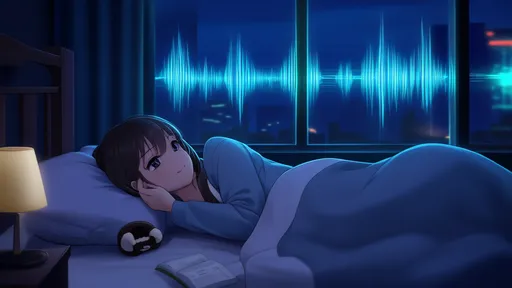
Sleep represents one of the most vulnerable states to environmental noise pollution. Unlike our conscious selves that can filter out irrelevant sounds, the sleeping brain continues processing auditory information at a basic level. Research shows that even when we don't consciously wake up, noise can cause micro-arousals – brief interruptions in sleep architecture that fragment restorative sleep cycles. These disruptions accumulate, leading to next-day fatigue, impaired cognitive function, and long-term health consequences.
The concept of a universal noise threshold for sleep disturbance proves more complicated than initially assumed. Early studies suggested 35 dB(A) as the maximum nighttime noise level to prevent sleep disturbance, but subsequent research revealed substantial individual variations. Some light sleepers experience disruptions at 30 dB(A) – equivalent to a quiet library – while others sleep through noises exceeding 45 dB(A). This variability stems from differences in age, noise sensitivity, and even genetic factors influencing sleep depth.
Not all noises are created equal when it comes to sleep disruption. Intermittent sounds like passing trucks or airplane takeoffs generally cause more arousal than continuous noise at the same decibel level. The character of the sound matters too – high-frequency noises appear more disruptive than low-frequency rumbles. Perhaps most surprisingly, familiar sounds like a partner's snoring may cause less disturbance than unfamiliar noises at similar volumes, suggesting psychological factors play a role in noise tolerance during sleep.
Urban planners and acoustical engineers face particular challenges when addressing sleep disturbance thresholds. The logarithmic nature of decibel measurements means a 10 dB increase represents a doubling of perceived loudness. Thus, the difference between 40 dB (a quiet rural area) and 50 dB (typical urban nighttime levels) represents a significant jump in potential sleep disruption. Many cities now implement noise mitigation strategies like sound barriers, traffic restrictions, and building codes that account for these perceptual differences.
Emerging research examines how chronic noise exposure affects sleep quality over time. The body doesn't fully adapt to nighttime noise pollution – instead, it may enter a state of chronic stress response. Studies monitoring cortisol levels and heart rate variability show that even when people report getting used to noise, their physiological stress markers remain elevated. This helps explain why long-term noise exposure correlates with increased risks for cardiovascular disease, metabolic disorders, and mental health issues.
Children and elderly populations demonstrate particular vulnerability to noise-induced sleep disturbances. Developing brains process sounds differently during sleep, making children more susceptible to environmental noise. For older adults, age-related changes in sleep architecture and hearing sensitivity create a double vulnerability. These findings have prompted some countries to establish stricter noise limits around hospitals, schools, and senior living facilities than general residential areas.
The interaction between indoor and outdoor noise levels presents another layer of complexity. While building materials provide some sound attenuation, typical residential construction often fails to block low-frequency urban noise effectively. Many people compound the problem by using white noise machines at volumes that may themselves disrupt sleep quality. Experts recommend a balanced approach – using consistent, gentle background sound to mask intermittent noises without creating additional auditory stress.
Technological solutions for noise monitoring and mitigation continue to evolve. Smartphone apps now allow individuals to track bedroom noise levels throughout the night, correlating sound peaks with sleep disturbances recorded by wearable devices. Advanced window technologies and noise-canceling systems for homes are becoming more accessible. However, public health experts emphasize that individual solutions can't replace broader noise reduction policies in urban planning and transportation design.
As research progresses, scientists are developing more nuanced models of noise disturbance that account for both objective measurements and subjective experience. The latest guidelines consider not just decibel levels but also the number of noise events per night, the time of night they occur, and the presence of particularly disruptive sound frequencies. This holistic approach better reflects real-world sleeping conditions where multiple noise sources interact in complex ways.
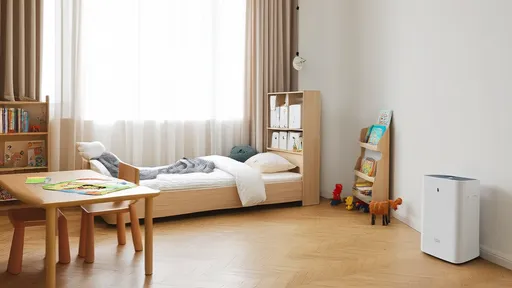
The growing understanding of noise's impact on sleep has implications beyond urban planning. Employers are reconsidering shift work schedules that expose workers to noisy commutes during biological nighttime. Hospitals are redesigning intensive care units to protect patient sleep from equipment alarms and staff conversations. Even product designers are rethinking household appliances to minimize sleep-disrupting sounds during nighttime operation.
Ultimately, recognizing environmental noise as a modifiable risk factor for poor sleep represents an important public health opportunity. Unlike many health challenges that require complex medical interventions, reducing noise pollution offers a straightforward path to improving population health. As research continues to refine our understanding of sleep disturbance thresholds, these findings can guide policies and personal choices that help everyone achieve the quiet necessary for restorative sleep.

By /Jul 14, 2025

By /Jul 14, 2025

By /Jul 14, 2025
By /Jul 14, 2025

By /Jul 14, 2025

By /Jul 14, 2025

By /Jul 14, 2025
By /Jul 14, 2025

By /Jul 14, 2025
By /Jul 14, 2025

By /Jul 14, 2025
By /Jul 14, 2025

By /Jul 14, 2025

By /Jul 14, 2025

By /Jul 14, 2025
By /Jul 14, 2025

By /Jul 14, 2025
By /Jul 14, 2025
By /Jul 14, 2025

By /Jul 14, 2025