For millions of allergy sufferers, home should be a sanctuary—yet common household allergens often turn living spaces into sources of constant discomfort. The key to reclaiming your space lies in strategic modifications that minimize exposure to triggers like dust mites, pet dander, mold, and pollen. While complete elimination is impossible, targeted changes to your home’s design, cleaning routines, and airflow can dramatically improve quality of life.
The battle against allergens begins with understanding their hiding spots. Dust mites thrive in warm, humid environments like bedding and upholstered furniture. Pet dander clings to fabrics and settles in carpet fibers. Mold spores lurk in damp basements and bathrooms, while pollen hitchhikes indoors on clothing and through open windows. Each allergen demands a unique approach, but they share a common weakness: systematic environmental control.
Flooring choices play a pivotal role in allergen reduction. Wall-to-wall carpeting, despite its cozy appeal, functions as a giant allergen reservoir. Replacing carpets with hard-surface flooring like hardwood, tile, or vinyl eliminates nesting grounds for dust mites and makes cleaning more effective. For those reluctant to part entirely with soft textures, low-pile area rugs treated with allergen-resistant coatings offer a compromise—provided they’re washed weekly in hot water exceeding 130°F.
Your bed harbors an invisible ecosystem that directly impacts respiratory health. Encasing mattresses and pillows in zippered, microfiber allergen-proof covers creates an impermeable barrier against dust mites. Opt for washable hypoallergenic bedding and avoid heavy fabric drapes near sleeping areas. Some allergy specialists recommend washing sheets in eucalyptus oil, which studies suggest may kill dust mites at lower temperatures than conventional washing.
Air purification deserves careful consideration beyond simply buying a HEPA filter unit. The placement, maintenance, and type of purifier significantly affect performance. Whole-house systems integrated with HVAC offer comprehensive coverage, while portable units work best when strategically placed in bedrooms and living areas. Beware of ionic air purifiers that may generate ozone—a lung irritant that exacerbates respiratory issues. Regularly replacing filters according to manufacturer guidelines ensures peak efficiency.
Controlling humidity levels presents a double-edged sword. Dust mites perish when indoor humidity drops below 50%, but overly dry air irritates nasal passages. Smart hygrometers paired with dehumidifiers help maintain the sweet spot between 30-50% humidity. In naturally damp spaces like basements, a professional-grade dehumidifier with automatic drainage prevents mold growth without daily maintenance. Proper ventilation in kitchens and bathrooms—preferably with externally vented exhaust fans—reduces moisture where mold thrives.
Pet owners face particular challenges that require creative solutions. Designating pet-free zones, especially bedrooms, creates safe havens for allergy sufferers. Installing washable wall panels or chair-height wainscoting protects surfaces from dander accumulation. Some homeowners report success with dedicated pet washing stations near entrances to rinse off outdoor allergens. Surprisingly, frequent pet baths (2-3 times weekly) with plain water can reduce airborne dander more effectively than medicated shampoos used less frequently.
Window treatments and furnishings demand allergen-conscious selection. Replace heavy drapes with washable roller shades or shutters that don’t trap dust. Choose leather or vinyl furniture over fabric upholstery, or use tightly woven, removable slipcovers. When purchasing new furniture, look for certifications indicating antimicrobial treatments and low volatile organic compound (VOC) emissions—chemical irritants can compound allergy symptoms.
The cleaning process itself can stir up allergens if done improperly. Vacuum cleaners with HEPA filters and sealed systems prevent particle recirculation. For severe allergies, consider a central vacuum system that exhausts outdoors. Microfiber cloths trap dust more effectively than feather dusters or dry rags. Steam cleaners penetrate surfaces to kill dust mites and mold without chemicals, though they require proper drying afterward to prevent moisture issues.
Seasonal allergens require adaptive strategies. During high pollen counts, use the "airlock" method: remove shoes and outerwear in a mudroom or entryway before proceeding further into the house. Some families install small HEPA air purifiers in closets where pollen-laden jackets are stored. After outdoor activities, showering and washing hair before bedtime prevents pollen from contaminating bedding.
Long-term solutions involve examining the home’s structural elements. Replacing fiberglass insulation with spray foam reduces dust accumulation in wall cavities. Double-paned windows not only improve energy efficiency but also create better barriers against outdoor allergens. In extreme cases, some allergy sufferers find relief by converting forced-air heating systems to radiant floor heating, eliminating ductwork where allergens circulate.
Behavioral adjustments complement physical modifications. Establishing a "no shoes indoors" policy reduces outdoor allergen tracking. Storing collectibles and books behind glass doors minimizes dust traps. Even something as simple as changing clothes after work can prevent office allergens from dispersing through your living space. These habits, when consistently maintained, compound the benefits of physical home modifications.
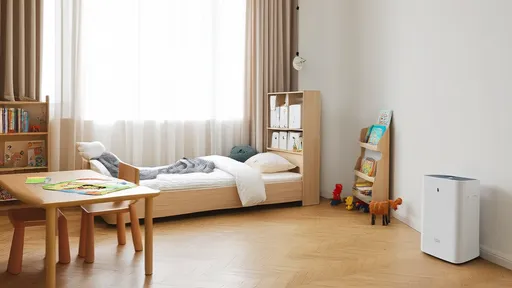
Children’s rooms require special attention, as developing immune systems are particularly sensitive. Washable stuffed animals that survive frequent hot water washing make better companions than traditional plush toys. Metal or plastic storage bins contain allergens better than woven baskets. Some parents install wall-mounted fold-down desks to eliminate dust-collecting furniture in small spaces.
While the prospect of comprehensive home modification may seem daunting, incremental changes yield measurable improvements. Start with the bedroom—where we spend a third of our lives—then address other high-traffic areas. Many interventions prove cost-effective when considering reduced medication use and improved productivity. For those uncertain where to begin, professional indoor air quality assessments can identify priority areas specific to your home’s architecture and regional allergen profiles.
The psychological impact of an allergen-controlled home shouldn’t be underestimated. Waking up without congestion, breathing freely in one’s own living room, hosting guests without embarrassment about pet allergies—these small victories transform not just physical health but overall wellbeing. Your home becomes not just a shelter, but a true haven.

By /Jul 14, 2025

By /Jul 14, 2025

By /Jul 14, 2025
By /Jul 14, 2025

By /Jul 14, 2025

By /Jul 14, 2025

By /Jul 14, 2025

By /Jul 14, 2025

By /Jul 14, 2025
By /Jul 14, 2025

By /Jul 14, 2025

By /Jul 14, 2025

By /Jul 14, 2025

By /Jul 14, 2025

By /Jul 14, 2025

By /Jul 14, 2025

By /Jul 14, 2025
By /Jul 14, 2025

By /Jul 14, 2025

By /Jul 14, 2025
