The quest for clean drinking water has driven innovation in filtration technologies, each promising to deliver purity through distinct scientific approaches. From activated carbon to reverse osmosis, the choices available to consumers and industries reflect a complex interplay of chemistry, physics, and engineering. Understanding these methods requires peeling back layers of technical jargon to reveal their real-world efficacy, limitations, and suitability for different water quality challenges.
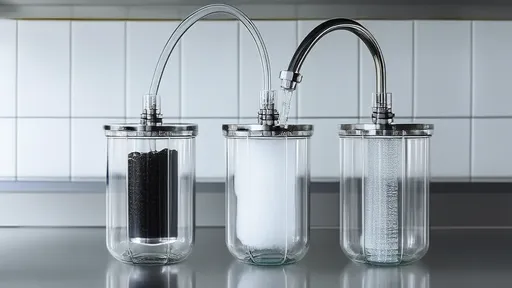
Activated carbon filtration remains one of the most widely recognized systems, leveraging adsorption to trap contaminants. Its porous structure acts like a molecular sponge, particularly effective against organic compounds, chlorine byproducts, and some pesticides. However, this technology shows its Achilles' heel when confronted with dissolved inorganic pollutants like heavy metals or fluoride. The surface chemistry of carbon dictates its selectivity—a property that manufacturers tweak through steam activation or chemical treatments to target specific contaminants. What many consumers overlook is the critical importance of contact time; water rushing through a thin carbon filter achieves far less purification than slower filtration processes.
Ceramic filters employ a fundamentally different mechanism, relying on microscopic pores to physically block pathogens. Their labyrinthine channels, often impregnated with silver to inhibit bacterial growth, excel at removing protozoa and bacteria but falter against viral threats due to size limitations. The durability of ceramic elements presents both an advantage and a drawback—while resistant to wear, their gradual clogging requires vigilant maintenance. Field studies in developing nations have demonstrated their life-saving potential, yet also revealed how improper cleaning can transform these filters into breeding grounds for pathogens when biofilm accumulates.
The molecular precision of reverse osmosis (RO) systems represents the gold standard for comprehensive purification, employing semi-permeable membranes to exclude particles as small as 0.0001 microns. This hyper-filtration comes at a cost—both energetically and in terms of water waste—with typical systems rejecting 2-3 gallons for every purified gallon produced. RO's indiscriminate removal raises nutritional concerns, stripping water not just of lead and arsenic but also beneficial minerals like calcium and magnesium. Modern systems often incorporate remineralization stages, acknowledging that perfectly pure water isn't necessarily ideal for human consumption.
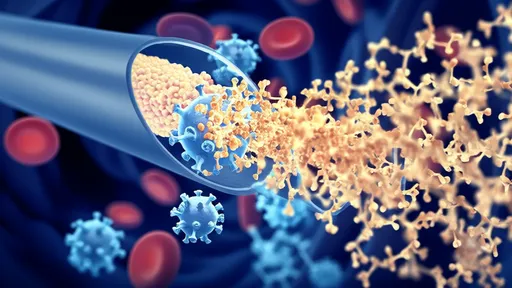
Emerging technologies like graphene oxide membranes and bio-inspired filtration are rewriting the rules of water purification. Researchers have demonstrated that stacked graphene sheets can achieve unprecedented flow rates while maintaining rejection capabilities, thanks to their atomic thickness and tunable interlayer spacing. Meanwhile, biomimicry of xylem tissue in plants has led to filters that combine mechanical screening with chemical degradation of pollutants—a double-barreled approach nature perfected over millennia. These innovations remain largely in laboratories today but hint at a future where filtration systems might self-repair or adapt to changing water conditions.
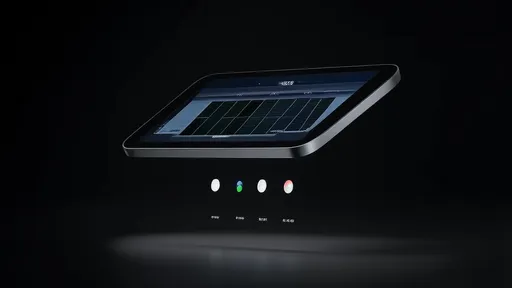
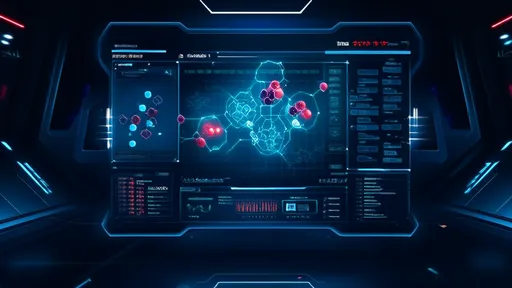
The silent revolution in filtration lies in smart monitoring systems that transform passive filters into responsive networks. Sensors tracking flow rate, pressure differentials, and even specific contaminant concentrations now enable real-time performance assessment. This data-driven approach moves maintenance from arbitrary calendar-based schedules to actual need-based interventions, preventing both premature replacements and dangerous filter exhaustion. Some cutting-edge systems now communicate with municipal water quality reports, automatically adjusting their operation to address known fluctuations in source water contamination.
Choosing between these technologies demands honest assessment of water source vulnerabilities rather than marketing claims. A filter removing 99.99% of irrelevant contaminants provides false security if missing the actual threats in local water supplies. Independent certification programs like NSF/ANSI standards offer crucial benchmarks, though their testing protocols sometimes lag behind emerging contaminant concerns. The most sophisticated system fails if improperly installed or maintained—a reality underscoring that water filtration operates within an ecosystem of user behavior, environmental conditions, and technological limitations.
As climate change alters precipitation patterns and industrial activities introduce novel pollutants, filtration technology faces evolving challenges. The next generation of systems must balance rigorous purification with environmental sustainability—reducing energy demands, minimizing wastewater, and incorporating recyclable materials. This scientific arms race for cleaner water continues not in laboratories alone but in household choices that collectively determine public health outcomes. The true measure of any filtration technology lies not in its theoretical capabilities but in its real-world ability to deliver safe, great-tasting water day after day, year after year.
By /Jul 14, 2025
By /Jul 14, 2025

By /Jul 14, 2025

By /Jul 14, 2025

By /Jul 14, 2025
By /Jul 14, 2025
By /Jul 14, 2025
By /Jul 14, 2025

By /Jul 14, 2025

By /Jul 14, 2025
By /Jul 14, 2025

By /Jul 14, 2025

By /Jul 14, 2025

By /Jul 14, 2025

By /Jul 14, 2025

By /Jul 14, 2025

By /Jul 14, 2025
By /Jul 14, 2025
By /Jul 14, 2025

By /Jul 14, 2025
